Quick answer
Altitude testing simulates the low-pressure conditions found at high altitudes to check how products respond to reduced air pressure, temperature and humidity changes, and rapid decompression. An altitude chamber uses a sealed enclosure and vacuum pump to lower pressure, helping avionics, defense systems, medical devices and lithium batteries meet MIL-STD-810, RTCA DO-160 and IEC 60068.
Key facts
- Altitude chambers can simulate altitudes up to 100,000 feet (30,000 meters) or more.
- Most altitude systems also control temperature from -70°C to +150°C, humidity, and ramp and soak cycles.
- Relevant standards include MIL-STD-810G Method 500.6, RTCA DO-160 Section 4 and IEC 60068-2-13.
- A lithium battery pack example was tested per UN 38.3 at a simulated altitude of 15,000 m.
Introduction
As technology moves into higher altitudes — from aircraft to satellites to mountainous logistics — so must your product testing. Whether you’re developing avionics, defense systems, or high-altitude consumer electronics, validating performance under low-pressure conditions is essential.
That’s where altitude test chambers come in.
In this blog, we explain how altitude testing works, what it simulates, and which industries need it to stay compliant and competitive.
What Is Altitude Testing?
Altitude testing simulates the low-pressure conditions that occur at high altitudes, allowing manufacturers to assess how their products respond to:
-
Reduced air pressure (vacuum or partial vacuum)
-
Temperature variations
-
Humidity changes
-
Rapid decompression events
Altitude test chambers replicate these conditions in a controlled lab environment, ensuring your product is safe and functional under extreme atmospheric conditions.
Why Altitude Testing Is Important
- Detects Pressure-Related Failures
Seal leaks, material expansion, or outgassing can cause failures when exposed to low pressure. - Verifies Aerospace & Avionics Reliability
Electronic components, displays, and sensors must perform under high-altitude flight conditions. - Supports Industry Certifications
Altitude testing is a requirement under standards like MIL-STD-810, RTCA DO-160, and IEC 60068. - Improves Safety for Critical Products
Missiles, satellites, high-altitude drones, and medical equipment must be fail-safe at altitude.
How Altitude Chambers Work
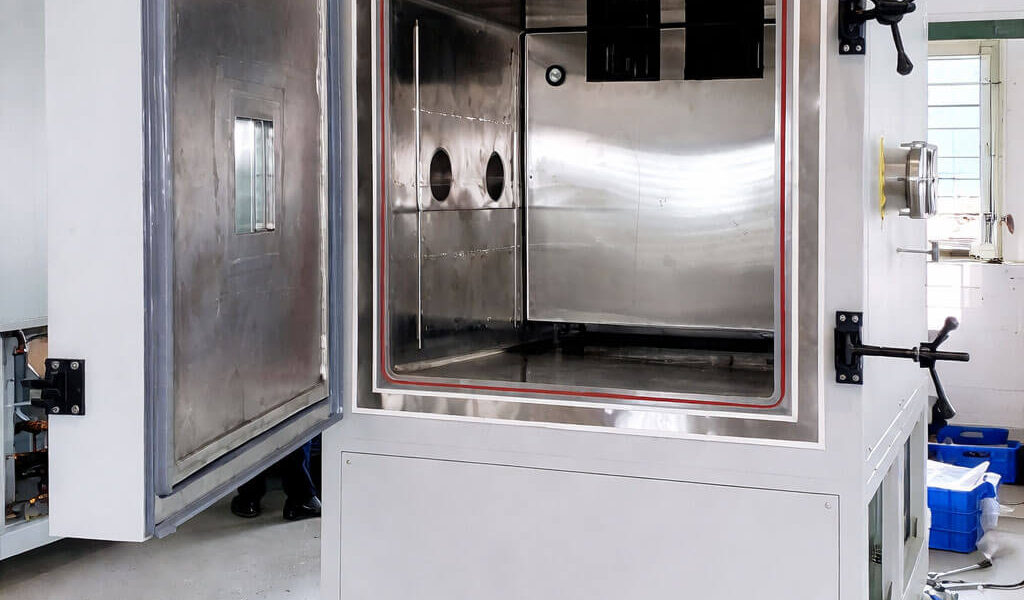
An altitude chamber (also called a vacuum chamber) uses a sealed enclosure with a vacuum pump to reduce internal air pressure, simulating altitudes up to 100,000 feet (30,000 meters) or more.
Most systems can also control:
-
Temperature (from -70°C to +150°C)
-
Humidity
-
Ramp and soak cycles
Advanced chambers allow for programmed pressure profiles, rapid decompression tests, and even altitude + vibration testing when integrated.
Key Test Standards That Involve Altitude Testing
MIL-STD-810G, Method 500.6
U.S. Department of Defense standard for equipment used in aircraft, helicopters, and high-altitude operations.
RTCA DO-160, Section 4
Standard for testing airborne equipment under pressure altitude conditions — essential for avionics and flight systems.
IEC 60068-2-13
Environmental testing for electrical and electronic components in low-pressure environments.
If your product will be shipped by air, installed on a drone, or exposed to mountain/highland climates, altitude testing is likely required.
What Products Require Altitude Testing?
- Aerospace & Avionics: Navigation systems, cockpit electronics, black boxes
- Military Systems: Guided munitions, field gear, drones
- Consumer Electronics: Smartphones, tablets, and laptops for air cargo or tourism use
- Medical Devices: Pacemakers, defibrillators, portable oxygen concentrators
- Battery Packs: Lithium-ion batteries must pass altitude simulation to meet UN 38.3 for air transport
Altitude Testing Use Cases
Example 1: Aircraft Display System
Tested to 55,000 ft altitude and -20°C to ensure readability and electronics function.
Example 2: Medical Device for Emergency Airlift
Tested at simulated 8,000–12,000 ft cabin pressure to validate oxygen delivery rate and enclosure integrity.
Example 3: Lithium Battery Pack
Tested per UN 38.3 at simulated altitude of 15,000 m to ensure no leakage, rupture, or ignition risk.
Best Practices for Altitude Testing
- Calibrate Pressure and Temp Sensors Regularly
Accurate pressure readings are critical for compliance. - Use Pressure/Vacuum Relief Valves Where Needed
Protect sensitive enclosures or batteries during testing. - Simulate Realistic Flight Profiles
Mimic ascent and descent rates to see how the product responds over time. - Log and Document Everything
Regulatory bodies may require detailed test logs for each unit or lot.
Conclusion
Altitude testing is no longer just for defense contractors — it’s becoming a standard practice for any manufacturer whose products might fly, climb, or ship at altitude.
At T3, we build altitude and vacuum test chambers that simulate high-altitude pressure, temperature, and humidity — with programmable profiles and full compliance to MIL, RTCA, and IEC standards.
Need an altitude chamber for your next product launch or certification cycle? Contact our team today.
Related: See the full range of T3 altitude test chambers for aerospace and EV battery testing.
Related: T3’s altitude test chambers simulate conditions to 150,000 ft (MIL-STD-810).
Frequently asked questions
How does an altitude test chamber work?
An altitude test chamber, also called a vacuum chamber, uses a sealed enclosure with a vacuum pump to reduce internal air pressure and simulate high altitudes. Most systems also control temperature, humidity and ramp and soak cycles, and advanced chambers support programmed pressure profiles, rapid decompression tests and combined altitude plus vibration testing.
Which standards require altitude testing?
Altitude testing is required under standards including MIL-STD-810G Method 500.6 for equipment used in aircraft, helicopters and high-altitude operations, RTCA DO-160 Section 4 for airborne equipment under pressure altitude conditions, and IEC 60068-2-13 for electrical and electronic components in low-pressure environments. UN 38.3 requires altitude simulation for lithium batteries.
What products need altitude testing?
Products that need altitude testing include aerospace and avionics systems such as navigation and cockpit electronics, military systems like guided munitions and drones, consumer electronics shipped by air cargo, medical devices such as pacemakers and portable oxygen concentrators, and lithium-ion battery packs that must pass UN 38.3 for air transport.
What failures does altitude testing detect?
Altitude testing detects pressure-related failures such as seal leaks, material expansion and outgassing that occur when products are exposed to low pressure. It also verifies that electronic components, displays and sensors keep working under high-altitude flight conditions, improving safety for missiles, satellites, high-altitude drones and medical equipment.
Standards referenced