Quick answer
Combined Environmental Stress Testing (CEST) is a test method that exposes a product to two or more environmental stresses at the same time, such as temperature plus vibration or altitude plus thermal cycling. Combined testing better simulates real usage and uncovers compound failure modes, like solder cracks from thermal expansion plus vibration, that single-stressor tests miss.
Key facts
- Common combined scenarios include temperature plus vibration, humidity plus heat, altitude plus temperature, and vibration plus thermal cycling.
- Combined testing setups include vibration tables inside temperature/humidity chambers and altitude chambers with thermal cycling.
- Standards such as MIL-STD-810, RTCA DO-160 and IEC 60068 require combined condition tests for compliance.
- Challenges of combined testing include complex setup, equipment cost and large data volumes.
Introduction
Modern products don’t fail in isolation. In the real world, they’re exposed to multiple stress factors at once — heat, humidity, vibration, shock, pressure, and more. So why test each condition separately?
Enter Combined Environmental Stress Testing (CEST) — a testing methodology that replicates complex, real-life conditions by subjecting products to multiple environmental stresses simultaneously.
In this article, we explain what combined testing is, how it works, and why it’s essential for high-reliability industries like aerospace, automotive, electronics, and defense.
What Is Combined Environmental Stress Testing (CEST)?
Combined testing uses multi-stress test chambers to expose a product to two or more environmental conditions at the same time — for example:
-
Temperature + Vibration
-
Humidity + Shock
-
Altitude + Thermal Cycling
-
Salt Spray + UV Exposure
This method better simulates actual usage environments and uncovers compound failure modes that single-stressor tests might miss.
Why Combined Testing Is Critical
- Realistic Simulation
Products in the field rarely face one stressor at a time. Combined testing mimics real-world conditions — like a vibrating vehicle ECU exposed to heat and humidity. - Reveal Interactions
Some failures only emerge when stressors interact — like cracked solder joints caused by thermal expansion plus mechanical vibration. - Accelerated Life Testing
By applying multiple stressors, you can expose design weaknesses much faster than standard endurance testing. - Supports Qualification to Tough Standards
Many industry standards (like MIL-STD-810, RTCA DO-160, and IEC 60068) require combined condition tests for compliance.
Common Combined Test Scenarios
Temperature + Vibration
Used to simulate transport conditions for electronics, avionics, and automotive components.
Humidity + Heat
Used to assess corrosion and delamination risk in coatings, PCBs, and packaging.
Altitude + Temperature
Validates performance of aerospace and defense systems under high-altitude conditions.
Vibration + Thermal Cycling
Stresses lithium-ion battery packs and vehicle systems for early failure detection.
Chambers Required for Combined Testing
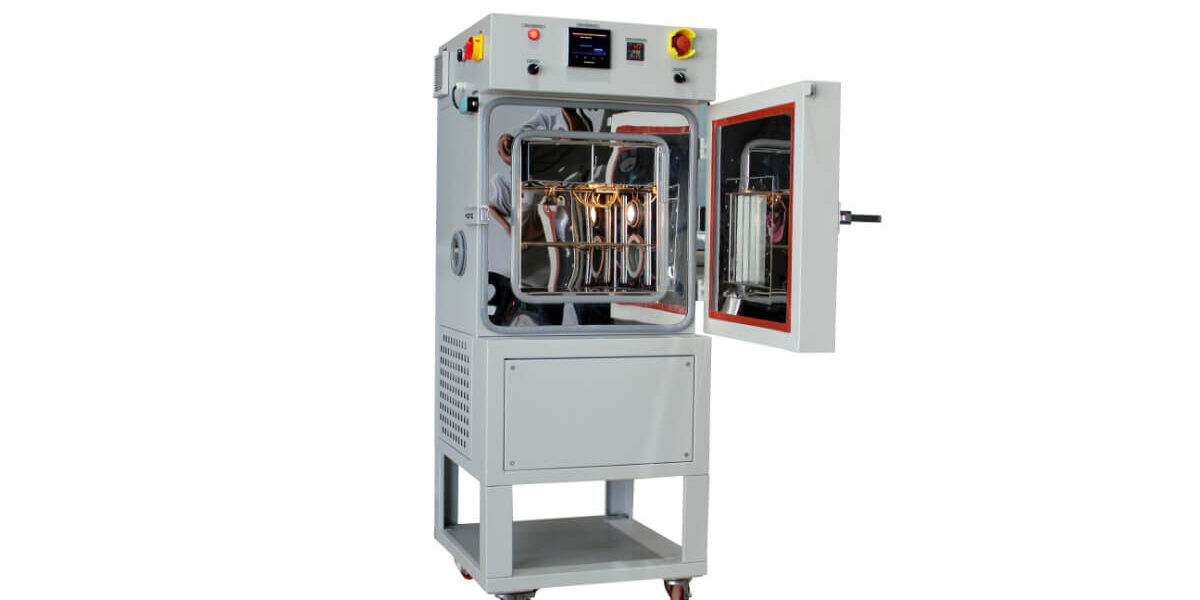
To conduct CEST properly, you need chambers capable of integrating multiple systems, such as:
-
Vibration tables inside temperature/humidity chambers
-
Thermal shock chambers with mechanical impact fixtures
-
Altitude chambers with thermal cycling functions
-
Custom rigs combining salt fog + UV + heat
Advanced chambers are fully programmable and include data logging, cycle control, and safety systems for unattended testing.
Industries That Use Combined Testing
- Aerospace & Defense: Flight-critical electronics, radar systems, missiles.
- Automotive: Powertrain ECUs, ADAS sensors, infotainment systems.
- Electronics: PCBs, semiconductors, consumer devices.
- Medical Devices: Life-saving systems must operate flawlessly under transport and operating conditions.
- Energy Storage: Battery packs and BMS units.
Best Practices for Combined Environmental Testing
- Use Field Data to Build Realistic Profiles
Simulate real-world duty cycles, not just worst-case scenarios. - Monitor Internal & External Temperatures
Use thermocouples on product surfaces and internals for accurate results. - Run Repeatable, Documented Test Cycles
Standardize testing to ensure consistent quality across batches. - Perform Root Cause Analysis Post-Test
If failures occur, log and analyze them to improve future designs.
Challenges of Combined Testing
- Complex Setup: Synchronizing multiple stressors requires precise control systems.
- Equipment Cost: Chambers with integrated vibration, altitude, and humidity functions can be expensive.
- Data Overload: More variables = more data to manage and analyze.
That’s why working with the right partner — and the right equipment — is essential.
Conclusion
Combined Environmental Stress Testing provides the closest simulation of real-world use, helping you find weak links before your product ever leaves the lab.
At T3, we offer custom-built combined condition chambers — engineered to your specific product, standards, and stress requirements.
Frequently asked questions
Why use combined environmental testing instead of single-stress tests?
Combined environmental testing is used because products in the field rarely face one stressor at a time. Some failures only appear when stressors interact, such as cracked solder joints caused by thermal expansion plus mechanical vibration, and applying multiple stresses exposes design weaknesses faster than standard endurance testing.
What equipment is needed for combined environmental stress testing?
Combined environmental stress testing needs chambers that integrate multiple systems, such as vibration tables inside temperature and humidity chambers, thermal shock chambers with mechanical impact fixtures, altitude chambers with thermal cycling functions, or custom rigs combining salt fog, UV and heat, with programmable cycle control and data logging.
What are the challenges of combined environmental testing?
The main challenges of combined environmental testing are complex setup, because synchronizing multiple stressors requires precise control systems, high equipment cost for chambers with integrated vibration, altitude and humidity functions, and data overload, since more variables produce more data to manage and analyze.
Which industries use combined environmental stress testing?
Combined environmental stress testing is used in aerospace and defense for flight-critical electronics and radar, automotive for powertrain ECUs and ADAS sensors, electronics for PCBs and semiconductors, medical devices that must work under transport and operating conditions, and energy storage for battery packs and BMS units.
Standards referenced