
Quick answer
Environmental test chamber maintenance is a schedule of daily, weekly, monthly, quarterly and annual tasks that keeps a chamber accurate and efficient. It includes cleaning interiors, checking sensor readings and door seals, draining condensate, cleaning filters, descaling humidifiers, running calibration checks, professional recalibration, inspecting heating and cooling components and updating controller firmware.
Key facts
- Daily chamber checks include cleaning interior surfaces, verifying temperature and humidity readings, inspecting door seals and draining condensate on humidity chambers.
- Air and water filters should be cleaned or replaced monthly, depending on usage.
- Professional calibration of temperature, humidity and pressure sensors is scheduled quarterly or annually and is required for audits and standards compliance.
- Warning signs include unstable temperature or humidity, longer cool-down or heat-up times, controller alarms, visible rust or condensation and unusual compressor or fan noise.
Introduction
An environmental test chamber is a significant investment for any company conducting product testing. These chambers simulate extreme conditions like temperature, humidity, and vibration to ensure your products meet the highest standards of reliability and durability.
But just like any high-precision equipment, regular maintenance is critical to keeping your environmental test chamber running efficiently, avoiding downtime, and ensuring accurate, repeatable test results.
In this article, we’ll cover everything you need to know about maintaining your test chamber—from daily best practices to long-term service strategies.
Why Maintenance Matters
Neglecting your chamber’s upkeep can lead to:
❌ Inaccurate test results
❌ Unplanned downtime and delays
❌ Higher repair and energy costs
❌ Shortened equipment lifespan
✅ On the other hand, a well-maintained chamber:
- Ensures consistent test performance
- Extends the life of critical components
- Reduces operating costs
- Keeps you compliant with testing standards
Daily Maintenance Checklist
To keep your environmental test chamber in optimal condition, incorporate these daily checks into your workflow:
1. Clean Interior Surfaces
- Remove dust, water residue, or test debris
- Use non-abrasive cloth and approved cleaning agents
2. Check Temperature & Humidity Readings
- Ensure sensors are reading correctly
- Compare with an external calibrated thermometer/hygrometer if needed
3. Inspect Door Seals
- Make sure gaskets are intact and not cracked
- Poor sealing leads to air leaks, affecting test accuracy
4. Monitor Power Supply & Indicators
- Ensure stable voltage supply and look out for error lights or alarms
5. Drain Condensate (if applicable)
- For humidity chambers, drain collected water to prevent overflow or mold
Weekly & Monthly Maintenance Tasks
1. Inspect Airflow and Vents
- Check that fans and ducts are unobstructed
- Proper airflow ensures uniform temperature and humidity
2. Clean or Replace Filters
- Air and water filters should be cleaned or replaced monthly, depending on usage
- Dirty filters strain the system and reduce efficiency
3. Inspect Humidifiers & Water Supply Lines
- Remove scale and mineral buildup
- Use deionized or distilled water if recommended by the manufacturer
4. Run a System Calibration Check
- Ensure sensors, control systems, and feedback loops are accurate
- Log any inconsistencies for further diagnostics
Quarterly & Annual Maintenance Tips
1. Professional Calibration & Certification
- Schedule a certified technician to recalibrate temperature, humidity, and pressure sensors
- Required for audits and compliance with standards (e.g., ISO 9001, MIL-STD, IEC)
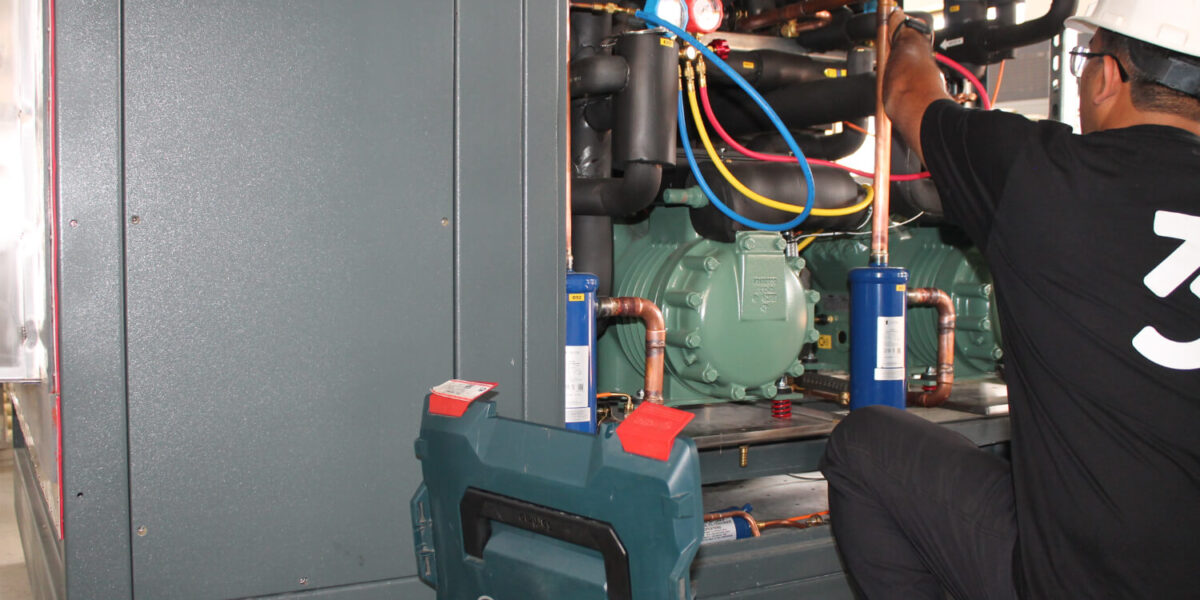
2. Inspect Heating & Cooling Components
- Check compressor oil levels, inspect heating elements, and evaluate refrigerant pressure
- Ensure no strange noises or slow ramp-up times during test cycles
3. Update Software/Firmware
- Check with your manufacturer for the latest controller updates
- Software updates may improve functionality and fix bugs
4. Performance Validation Reports
- Run a full-cycle test and generate a report to validate chamber performance
- Compare against previous logs to identify efficiency drops
Common Signs Your Chamber Needs Servicing
- Unexpected changes in temperature or humidity stability
- Longer-than-usual cool-down or heat-up times
- Error codes or alarms on the controller
- Visible rust, moisture, or condensation in the chamber
- Unusual noises from compressors or fans
Tip: Don’t wait for a breakdown—preventive maintenance costs less than emergency repairs.
Best Practices for Long-Term Chamber Care
1. Keep a Maintenance Log
Document every inspection, part replacement, calibration, and repair. This history helps diagnose recurring issues and supports warranty claims.
2. Partner with a Reliable Service Provider
Choose a maintenance partner familiar with your brand/model. Some manufacturers like T3 offer annual service contracts for peace of mind.
3. Use Quality Replacement Parts
Don’t cut corners—use original or manufacturer-approved parts for repairs and replacements.
4. Train Your Team
Ensure operators know how to properly run and care for the chamber. Misuse often leads to preventable damage.
Conclusion
Proper maintenance of your environmental test chamber is not just about protecting your equipment—it’s about guaranteeing the accuracy of your testing, staying compliant with industry standards, and maximizing your investment.
By following a consistent maintenance schedule and partnering with experts when needed, you can keep your chamber running efficiently for years to come.
Looking for professional maintenance support or a service contract?
T3 offers preventive maintenance plans, calibration services, and expert guidance to keep your environmental test chambers operating at peak performance.
Contact us today to schedule a service or learn more.
Frequently asked questions
How often should environmental test chamber filters be changed?
Air and water filters in an environmental test chamber should be cleaned or replaced monthly, depending on usage. Dirty filters strain the system and reduce efficiency, so filter care belongs in the weekly and monthly routine alongside airflow and vent inspections and humidifier descaling.
How do I know my environmental chamber needs service?
Signs that an environmental chamber needs servicing include unexpected changes in temperature or humidity stability, longer-than-usual cool-down or heat-up times, error codes or alarms on the controller, visible rust, moisture or condensation inside the chamber, and unusual noises from compressors or fans.
What water should I use in a humidity chamber?
Use deionized or distilled water in a humidity chamber if the manufacturer recommends it. Inspect humidifiers and water supply lines regularly to remove scale and mineral buildup, and drain collected condensate daily on humidity chambers to prevent overflow or mold.
What does annual environmental chamber maintenance include?
Quarterly and annual maintenance includes professional recalibration of temperature, humidity and pressure sensors by a certified technician, inspection of compressor oil levels, heating elements and refrigerant pressure, controller software or firmware updates, and a full-cycle performance validation report compared against previous logs to spot efficiency drops.