Quick answer
Environmental testing for aerospace qualifies avionics, sensors, satellites and cabin components against altitude, extreme temperature, vibration, humidity and electromagnetic conditions. Key standards are MIL-STD-810H, RTCA DO-160G, NASA GEVS and IEC 60068, and chambers typically need -70°C to +180°C range, fast ramp rates, altitude control and traceable data logging.
Key facts
- Key aerospace environmental standards are MIL-STD-810H, RTCA DO-160G, NASA GEVS and IEC 60068.
- Recommended aerospace chamber features include a -70°C to +180°C range and ramp rates of 5 to 15°C/min.
- Aerospace altitude simulation is performed up to 100,000 ft for pressure-dependent equipment.
- RTCA DO-160 includes radiated emissions, susceptibility and lightning strike simulation tests.
- An avionics sensor qualification to DO-160G covered -55°C to +70°C cycling, 40,000 ft altitude and a 95% RH soak at 60°C.
Introduction
In aerospace, failure is not an option. Whether you’re testing avionics, sensors, satellites, or cabin components, your products must perform in extreme conditions — high altitudes, rapid temperature shifts, and intense vibrations.
This is where environmental testing becomes mission-critical.
In this blog, we’ll cover:
-
Why environmental testing is essential in aerospace
-
Key testing standards (MIL-STD-810, RTCA DO-160)
-
Most common test types
-
Chamber features and best practices
-
How T3 supports the aerospace industry
Why Aerospace Needs Rigorous Environmental Testing
Aerospace components face:
-
Altitude and vacuum pressures
-
Extreme temperature differentials
-
High G-force vibration and shock
-
Condensation and humidity cycles
-
Electromagnetic interference (EMI/EMC)
Environmental testing ensures:
-
Functional reliability
-
Safety in mission-critical systems
-
Compliance with global regulations
-
Performance validation for airworthiness
Key Aerospace Standards
| Standard | Purpose |
|---|---|
| MIL-STD-810H | US military standard for environmental qualification |
| RTCA DO-160G | Commercial aircraft equipment compliance |
| NASA GEVS | General Environmental Verification for space hardware |
| IEC 60068 | Broad-based electronics and materials testing |
T3 chambers are designed to meet or exceed all these standards with programmable profiles and validation-ready logs.
Common Aerospace Environmental Tests
1. Altitude Simulation
Simulate up to 100,000 ft for pressure-dependent equipment
2. Thermal Cycling & Shock
Expose components to rapid temperature swings from -70°C to +180°C
Simulates ascent/descent, re-entry, or orbital transitions
3. Humidity Testing
High RH and condensation can corrode contacts and degrade sensors
4. Vibration & Shock Testing
Simulate launchpad vibrations, inflight turbulence, crash loads
5. Sand & Dust / Salt Fog Testing
For components exposed externally on aircraft or satellites
6. Solar Radiation
Used in satellite and high-altitude drone component testing
7. EMI/EMC & Lightning Induction
RTCA DO-160 includes radiated emissions, susceptibility, and lightning strike simulation
Chamber Features Recommended for Aerospace
| Feature | Why It’s Needed |
|---|---|
| Wide temp range (-70°C to +180°C) | Mimic thermal environments from sea level to space |
| Fast ramp rates (5–15°C/min) | Required by many MIL/RTCA profiles |
| Precise altitude control | RTCA DO-160 altitude testing |
| High humidity stability | Critical for avionics and coating validation |
| Data logging & audit trail | FAA, EASA, or DoD traceability |
| Safety interlocks | For vacuum, explosion, or thermal testing |
T3 builds hybrid chambers that combine temperature, pressure, and humidity in a single test environment.
Best Practices for Aerospace Environmental Testing
1. Start with the Standard
Always design your test profile from MIL-STD or DO-160 tables.
2. Simulate the Full Mission Profile
Don’t just test extremes — simulate the full journey (storage, flight, emergency).
3. Use Multi-Condition Chambers
Integrated thermal + altitude + RH ensures data consistency.
4. Validate Sensors and Load Placement
Test performance depends on internal load configuration — pre-validate sensor positions.
5. Ensure Proper Calibration
Use ISO 17025-traceable equipment and document all calibration steps.
Real-World Use Case: Avionics Manufacturer
Objective: Qualify new cockpit sensor system to DO-160G
Tests Required:
-
-55°C to +70°C cycling
-
Altitude simulation to 40,000 ft
-
Vibration testing (external)
-
High RH (95% @ 60°C) soak
T3 Solution:
-
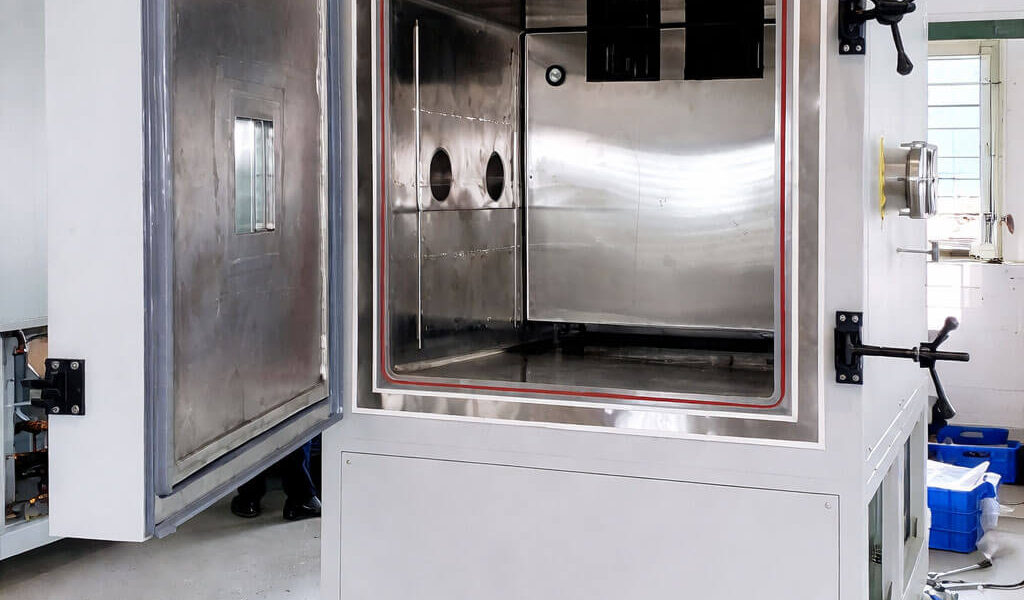
Reach-in altitude + thermal + RH chamber
-
9-point temp & RH mapping
-
30-step programmable profile
-
Remote monitoring dashboard for test team
Result: Full qualification achieved in 3 weeks, regulatory filing passed.
How T3 Supports Aerospace Clients
T3 provides:
-
Chambers tailored to MIL-STD-810, DO-160, and GEVS
-
Custom R&D and production-grade models
-
Installation, calibration, and qualification packages (IQ/OQ/PQ)
-
CFR Part 11–compliant data logging and audit trail
-
Ongoing service, maintenance, and spare support
Whether you’re testing satellite components, flight controls, drones, or military comms gear, we engineer your chamber to mirror the mission environment.
Summary
Environmental testing isn’t optional in aerospace — it’s foundational. And the right chamber makes all the difference in test success, speed, and reliability.
Partner with T3 for:
-
Chambers built to spec
-
Expert-guided test configuration
-
Standard-compliant performance, every time
Related: For aerospace altitude qualification, explore our altitude test chambers simulating elevations to 150,000 ft.
Related: For products that face direct sun, pair this with solar climatic testing in a solar simulation chamber to qualify coatings and radomes to MIL-STD-810 Method 505.
Frequently asked questions
What environmental tests are required for aerospace components?
Common aerospace environmental tests are altitude simulation, thermal cycling and shock, humidity testing, vibration and shock, sand and dust or salt fog, solar radiation, and EMI/EMC and lightning induction. The applicable standard, such as MIL-STD-810H or RTCA DO-160G, defines the required profiles.
What is the difference between MIL-STD-810H and RTCA DO-160G?
MIL-STD-810H is the US military standard for environmental qualification of equipment. RTCA DO-160G covers environmental compliance for commercial aircraft equipment, including altitude testing, radiated emissions, susceptibility and lightning strike simulation. NASA GEVS provides general environmental verification for space hardware, and IEC 60068 covers broad-based electronics and materials testing.
What ramp rate does an aerospace test chamber need?
Aerospace test chambers typically need fast ramp rates of 5 to 15°C/min, which many MIL and RTCA profiles require. Recommended chambers also offer a -70°C to +180°C range, precise altitude control, high humidity stability, data logging with audit trails and safety interlocks.
What are best practices for aerospace environmental testing?
Design test profiles from MIL-STD or DO-160 tables, simulate the full mission profile including storage, flight and emergency, use multi-condition chambers combining thermal, altitude and humidity, pre-validate sensor positions and load placement, and use ISO 17025-traceable calibration with documented steps.
Standards referenced