
Quick answer
Environmental chambers support battery safety and compliance by reproducing the temperature extremes, humidity, thermal shock and low pressure that lithium-ion batteries face, so manufacturers can run tests required by UN 38.3, IEC 62133 and UL 1642. Temperature, humidity, thermal shock, altitude and explosion-proof chambers each address different battery test protocols.
Key facts
- A common battery altitude simulation profile is 11.6 kPa for 6 hours, equivalent to 15,000 m.
- A common thermal abuse profile is a 130°C hold for 10 minutes.
- A common battery humidity soak is 85% RH at 60°C for 96 hours.
- A common thermal cycle profile is -20°C to +60°C for 10 cycles.
Introduction
With the rise of lithium-ion batteries powering everything from smartphones to EVs and grid storage, ensuring their safety and reliability under all conditions has become mission-critical.
Battery failures — from overheating to thermal runaway — can be catastrophic.
That’s why environmental test chambers play a central role in helping manufacturers comply with international safety standards like UN 38.3, IEC 62133, and UL 1642.
In this blog, we explore how environmental chambers support battery testing protocols, prevent product recalls, and enable safer energy storage systems.
Why Battery Safety Testing Matters
- Thermal sensitivity: Batteries are vulnerable to extreme temperatures.
- Regulatory compliance: Shipping and selling batteries requires passing strict tests.
- Energy density risks: As battery capacities increase, so do the risks of fire or explosion.
- Public safety & brand reputation: Failures can cause injuries, lawsuits, or bans from air transport.
Key Battery Testing Standards That Require Environmental Chambers
UN 38.3
Applies to lithium-ion cells and batteries shipped by air or sea. Requires:
-
Altitude simulation
-
Thermal testing (extreme temperatures)
-
Shock and vibration
-
External short circuit
-
Overcharge
-
Forced discharge
IEC 62133
Covers rechargeable battery safety for consumer electronics. Requires:
-
Thermal abuse testing
-
Charge retention tests
-
Vibration and mechanical shock
UL 1642 / UL 2054
U.S. standards for lithium cell and battery system safety. Includes:
-
High temperature exposure
-
Humidity cycling
-
Crush and impact tests
Types of Chambers Used in Battery Testing
Temperature Chambers
Simulate high and low temperature extremes (e.g., -40°C to +85°C or higher)
Used for:
-
Thermal runaway prevention
-
Storage and transport testing
-
Heat-resistance validation
Humidity Chambers
Subject batteries to high RH levels (up to 95%) to test:
-
Moisture ingress
-
Seal integrity
-
Risk of corrosion or swelling
Thermal Shock Chambers
Expose batteries to rapid hot–cold transitions to simulate:
-
Fast weather changes
-
Thermal stress during rapid charging/discharging
Altitude Chambers
Test how batteries perform in low-pressure environments, simulating:
-
Air cargo conditions
-
High-altitude applications
Explosion-Proof Chambers (optional)
Designed with reinforced walls and venting for safe testing of:
-
Overcharging scenarios
-
Thermal runaway events
Critical Test Profiles for Batteries
| Test Type | Common Conditions |
|---|---|
| Thermal Cycle | -20°C to +60°C, 10 cycles |
| Thermal Abuse | 130°C hold for 10 min |
| Humidity Soak | 85% RH at 60°C for 96 hours |
| Altitude Simulation | 11.6 kPa for 6 hours (15,000 m) |
| Overcharge Test | 1.2× rated voltage for 8 hours |
| Short Circuit | Room temp, external resistance < 0.1Ω |
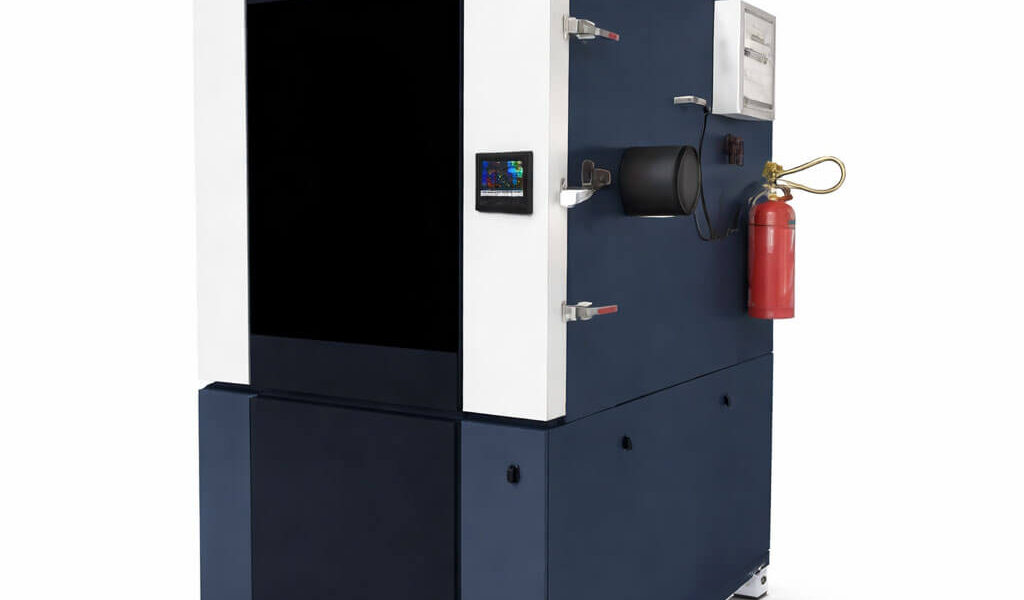
T3 chambers are customizable for all these profiles — with programmable controllers, safety interlocks, and optional fire suppression.
Best Practices for Battery Testing in Chambers
- Use insulated thermocouples for real-time internal temperature monitoring
- Run pre-conditioning to simulate long-term use
- Always use explosion-proof systems for abuse tests
- Maintain a controlled air exchange rate to manage gas buildup
- Record all tests for compliance audits and insurance purposes
Industries That Rely on Battery Testing
-
Electric vehicles (EVs)
-
Aerospace & drones
-
Grid energy storage systems (ESS)
-
Consumer electronics
-
Industrial robotics & automation
-
Medical devices
Conclusion
As battery technologies evolve, reliable and safe testing is more important than ever. Environmental chambers provide the controlled, programmable, and fail-safe environments needed to simulate everything a battery might experience in its lifecycle — from tropical heat to sudden altitude shifts.
At T3, we offer battery-specific test chambers that meet UN, IEC, and UL standards — engineered with safety, performance, and compliance in mind.
Need a chamber for lithium-ion or solid-state battery testing? Contact our experts today.
Frequently asked questions
Which battery standards require environmental chambers?
Battery standards that require environmental chambers include UN 38.3 for lithium-ion cells and batteries shipped by air or sea, IEC 62133 for rechargeable battery safety in consumer electronics, and UL 1642 and UL 2054, the U.S. standards for lithium cell and battery system safety.
What types of chambers are used for battery testing?
Battery testing uses temperature chambers for high and low extremes, humidity chambers for moisture ingress and seal integrity, thermal shock chambers for rapid hot and cold transitions, altitude chambers for air cargo and low-pressure conditions, and optional explosion-proof chambers with reinforced walls and venting for overcharge and thermal runaway tests.
What are common battery test conditions?
Common battery test conditions include a thermal cycle of -20°C to +60°C for 10 cycles, thermal abuse at 130°C for 10 minutes, a humidity soak at 85% RH and 60°C for 96 hours, an overcharge at 1.2 times rated voltage for 8 hours, and external short circuit below 0.1 ohm.
What are best practices for testing batteries in chambers?
Best practices for battery chamber testing include using insulated thermocouples for real-time internal temperature monitoring, running pre-conditioning to simulate long-term use, always using explosion-proof systems for abuse tests, maintaining a controlled air exchange rate to manage gas buildup, and recording all tests for compliance audits and insurance.
Standards referenced