Quick answer
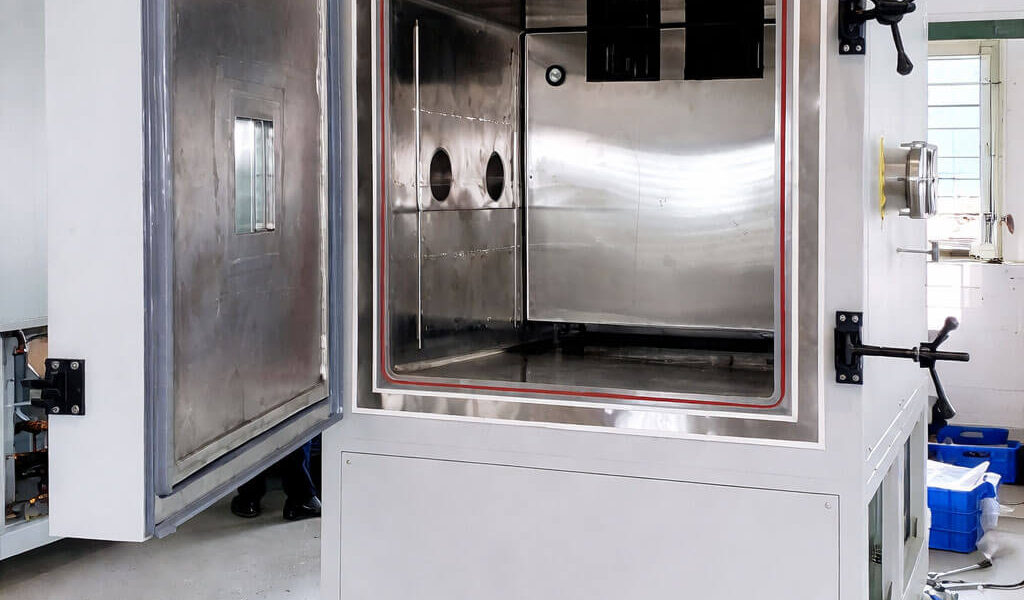
Altitude testing uses a sealed chamber and vacuum pump to lower air pressure and reproduce high-elevation conditions, so equipment can be checked for storage, operation, and rapid decompression before it flies. MIL-STD-810 Method 500 is the primary defense and aerospace altitude standard. T3's altitude chambers simulate conditions to 150,000 ft with combined temperature control.
Key facts
- MIL-STD-810 Method 500 defines three main procedures: I Storage/Transport, II Operation, and III Rapid Decompression.
- T3's altitude test chambers simulate conditions to 150,000 ft with combined temperature control.
- Reduced pressure can change cooling, make sealed enclosures bulge or leak, provoke arcing in electronics, and burst or deform packaging.
- Rapid-decompression testing uses a fast dump valve to drop chamber pressure in seconds.
- Related altitude standards include RTCA DO-160, IEC 60068-2-13 for low air pressure, and UN 38.3 for batteries.
Aircraft, avionics, and anything shipped by air have to work where the air is thin. Altitude testing reproduces that low-pressure environment on the ground so failures show up in the lab, not at 40,000 ft. Here’s how altitude testing works, what MIL-STD-810 Method 500 requires, and how a chamber simulates altitude.
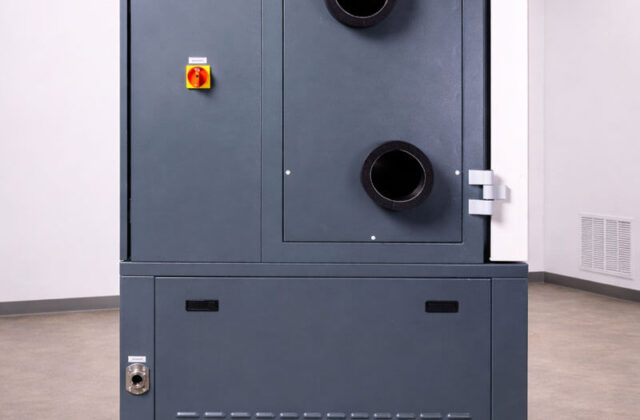
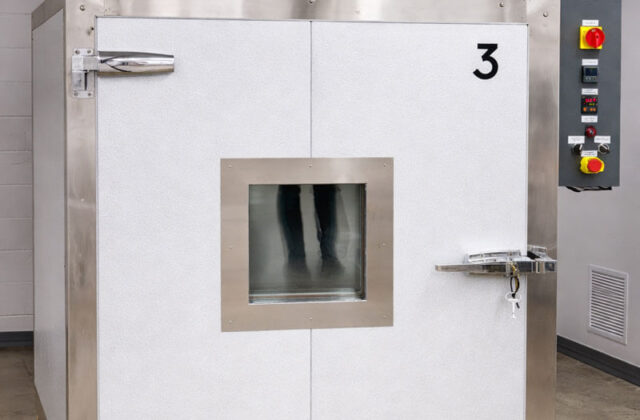
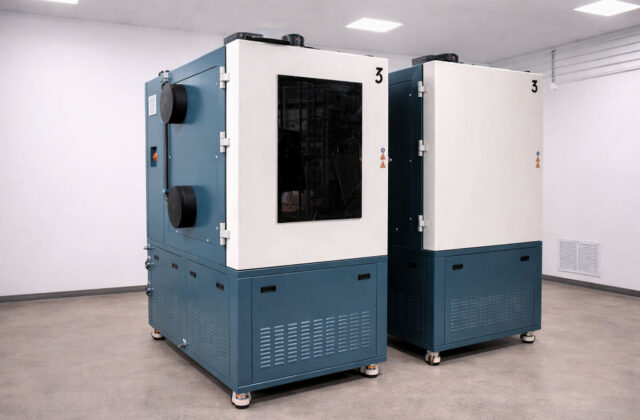
An altitude test chamber lowers air pressure inside a sealed workspace to reproduce conditions at high elevation — down to the near-vacuum of the upper atmosphere. T3’s altitude chambers simulate conditions to 150,000 ft, and combine altitude with temperature so products face the real, combined environment of flight and transport.
What is altitude testing?
Altitude testing evaluates how equipment performs, survives, and is transported under reduced atmospheric pressure. As altitude rises, air pressure and density fall — which changes cooling, causes sealed enclosures to bulge or leak, provokes arcing in electronics, and can burst or deform packaging. Reproducing that pressure in a chamber verifies a product before it ever leaves the ground.
MIL-STD-810 Method 500 — the altitude standard
MIL-STD-810 Method 500 is the defense/aerospace standard for low-pressure (altitude) testing. It defines three main procedures:
- Procedure I — Storage/Transport: verifies a product survives the low pressure of air shipment or high-elevation storage.
- Procedure II — Operation: confirms the product operates correctly at its service altitude.
- Procedure III — Rapid Decompression: simulates a sudden loss of cabin/enclosure pressure to check for hazards.
Related standards include RTCA DO-160 (airborne equipment) and IEC 60068-2-13 for low air pressure.
How a chamber simulates altitude
A vacuum pump draws air out of the sealed workspace, lowering pressure to the target altitude while sensors hold it to setpoint. Because temperature falls with altitude in the real atmosphere, a true altitude chamber controls temperature and pressure together — and can ramp both to reproduce a climb, cruise, and descent profile. Rapid-decompression testing uses a fast dump valve to drop pressure in seconds.
Who needs altitude testing
Aerospace and defense hardware, avionics, UAVs and drones, batteries and electronics shipped by air, medical and lab devices, and any product transported or operated at elevation. For batteries, low-pressure testing is also part of UN 38.3 transport qualification.
How T3 handles altitude testing. T3’s altitude test chambers simulate conditions to 150,000 ft with combined temperature control, built to MIL-STD-810 Method 500 and RTCA DO-160. Part of T3’s full range of environmental test chambers, US-built with lifetime engineering support.
Frequently Asked Questions
What is an altitude test chamber?
An altitude test chamber is a sealed chamber that lowers internal air pressure to reproduce high-altitude conditions — often combined with temperature — so products can be tested for storage, operation, and rapid decompression.
What standard covers altitude testing?
MIL-STD-810 Method 500 is the primary standard, with three procedures (storage/transport, operation, rapid decompression). RTCA DO-160 and IEC 60068-2-13 also apply.
How high can an altitude chamber simulate?
T3’s altitude chambers simulate conditions up to 150,000 ft, covering aircraft, high-altitude, and near-space applications.
Why combine altitude with temperature?
Real altitude comes with cold; combining temperature and pressure reproduces the true flight/transport environment and reveals failures that pressure alone would miss.
Need to run MIL-STD-810 Method 500? Request a quote and a T3 engineer will configure an altitude test chamber for your program.
Standards referenced