
Quick answer
Pharmaceutical stability testing evaluates how a drug's potency, appearance, dissolution rate and microbial safety change over time under controlled temperature and humidity. ICH guidelines define climatic zones with long-term conditions such as 25°C/60% RH or 30°C/65% RH and accelerated conditions of 40°C/75% RH, supporting product registration and shelf-life assignment.
Key facts
- ICH accelerated stability conditions are 40°C / 75% RH across all climatic zones listed.
- Long-term conditions are 25°C / 60% RH for Zones I and II and 30°C / 75% RH for Zone IVb.
- Long-term studies run 12 to 60 months, accelerated studies 6 months, and intermediate studies 6 to 12 months.
- Typical stability sampling intervals are 0, 1, 3, 6, 9 and 12 months, or as defined by protocol.
- T3 stability chambers are specified at ±0.5°C / ±2% RH control accuracy and uniformity of 1°C or less and 3% RH or less.
Introduction
Pharmaceutical products must remain safe, effective, and stable throughout their shelf life — under real-world storage and transport conditions. That’s where stability testing comes in.
Regulatory bodies like the FDA, EMA, and WHO require manufacturers to prove that their products can maintain quality across time, temperature, and humidity.
In this guide, we explore:
-
The importance of stability testing
-
ICH climatic zones and test conditions
-
Chamber specifications
-
Best practices in documentation
-
How T3 supports pharma clients globally
What Is Stability Testing?
Stability testing evaluates how a drug’s:
-
Potency
-
Appearance
-
Dissolution rate
-
Microbial safety
change over time when exposed to controlled temperature and humidity.
It’s an essential requirement for:
-
Product registration
-
Shelf-life assignment
-
Packaging validation
-
Storage labelingICH Stability Guidelines Overview
The International Council for Harmonisation (ICH) defines four global climatic zones, each with specific storage conditions.
ICH Climatic Zones & Test Conditions
| Zone | Region | Long-Term Conditions | Accelerated Conditions |
|---|---|---|---|
| Zone I | Temperate (e.g., EU, USA) | 25°C / 60% RH | 40°C / 75% RH |
| Zone II | Subtropical (e.g., Japan, China) | 25°C / 60% RH | 40°C / 75% RH |
| Zone III | Hot and dry (e.g., Middle East) | 30°C / 35% RH or 30°C / 65% RH | 40°C / 75% RH |
| Zone IVa | Hot and humid (e.g., Southeast Asia) | 30°C / 65% RH | 40°C / 75% RH |
| Zone IVb | Very hot/humid (e.g., India, Africa) | 30°C / 75% RH | 40°C / 75% RH |
Types of Stability Studies
| Study Type | Duration | Purpose |
|---|---|---|
| Long-Term | 12–60 months | Real-time stability |
| Accelerated | 6 months | Predict shelf life via stress testing |
| Intermediate | 6–12 months | Used when accelerated test fails |
| Ongoing Stability | Throughout shelf life | Post-market surveillance |
| Photostability | Varies | Light exposure test (per ICH Q1B) |
Stability Chamber Requirements
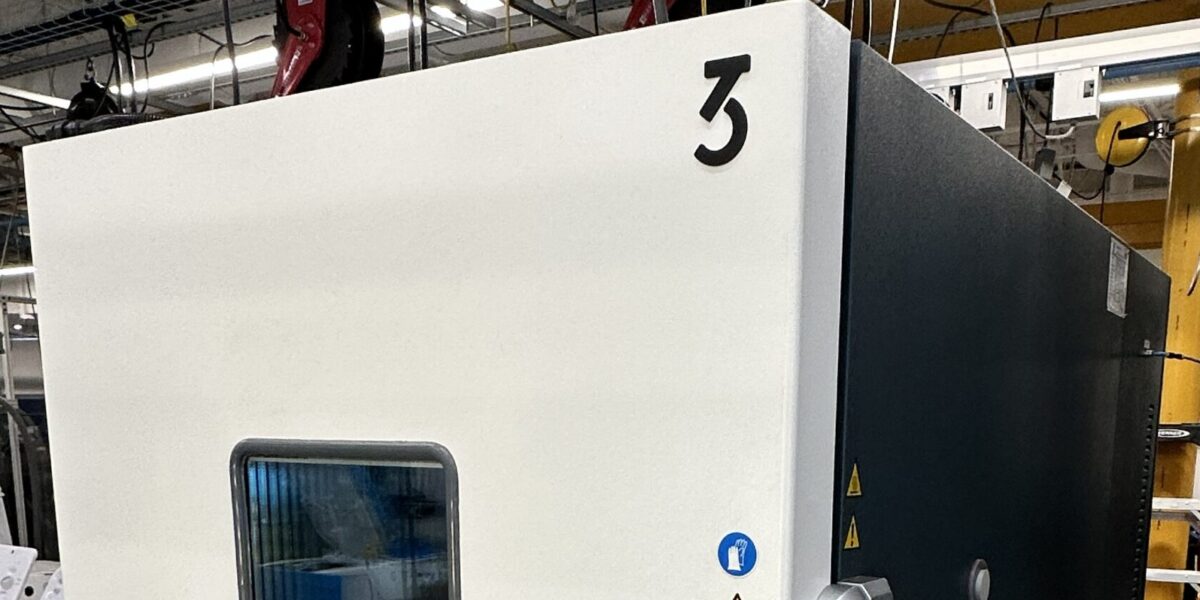
T3 builds ICH-compliant stability chambers that meet GMP/GLP standards and support audit-ready documentation.
Key Features:
-
Precise Control: ±0.5°C / ±2% RH accuracy
-
Uniformity: ≤1°C and 3% RH across chamber volume
-
Redundant Systems: For 24/7 operation (cooling, alarms)
-
Data Logging: CFR Part 11 compliant with audit trails
-
Validation Support: IQ/OQ/PQ documentation packages
-
Cleanroom Compatible: ISO Class 7 or better interiors available
-
Remote Monitoring: Secure cloud access or BMS integration
Best Practices for Stability Testing
1. Pre-Test Qualification
-
Define test protocols based on ICH Q1A(R2)
-
Assign lot numbers and label samples
-
Conduct chamber validation (IQ, OQ, PQ)
2. Time-Point Sampling
-
Typical intervals: 0, 1, 3, 6, 9, 12 months (or as per protocol)
-
Retrieve samples without disturbing conditions of others
-
Maintain strict chain of custody
3. Testing Parameters
-
Physical (color, hardness, packaging integrity)
-
Chemical (API content, degradation)
-
Microbiological (if applicable)
4. Data Management
-
Use software that meets 21 CFR Part 11 for secure logging
-
Record excursions, corrective actions, and calibration data
T3 Stability Chambers in Action
| Client Type | Use Case | T3 Solution |
|---|---|---|
| Generic Drugmaker | Long-term + accelerated studies | 3-zone chamber with programmable profiles |
| Vaccine Manufacturer | Cold chain + photostability + humidity | +2°C to +8°C fridge with LED UV lighting module |
| Herbal Supplement Co | Shelf life and packaging validation | 25°C / 60% RH chamber with external racking |
Customization Available
Need something specific?
T3 can customize:
-
Chamber sizes: from 400L to 30,000L walk-in
-
Interior racks: stainless, anti-vibration, locking shelves
-
Access ports: for sensors, dataloggers, cameras
-
Multi-zone or dual-temp chambers for complex trials
-
Integration with your existing lab infrastructure
Stay Compliant, Stay Confident
Whether you’re registering a new drug or maintaining market approval, stability testing is non-negotiable — and your chamber must perform with accuracy, reliability, and full traceability.
With T3, you get more than a chamber — you get a compliance-ready partner for the pharmaceutical industry.
Frequently asked questions
What are the ICH accelerated stability testing conditions?
The ICH accelerated stability condition is 40°C / 75% RH, applied across Zones I, II, III, IVa and IVb. Accelerated studies typically last 6 months and are used to predict shelf life through stress testing. An intermediate study of 6 to 12 months is used when an accelerated test fails.
How long does pharmaceutical stability testing take?
Long-term pharmaceutical stability studies run 12 to 60 months, accelerated studies run 6 months, and intermediate studies run 6 to 12 months. Ongoing stability continues throughout a product's shelf life for post-market surveillance, while photostability testing under ICH Q1B varies in duration.
What features does a pharmaceutical stability chamber need?
A pharmaceutical stability chamber needs precise control, such as ±0.5°C / ±2% RH, uniformity of 1°C or less and 3% RH or less, redundant cooling and alarms for 24/7 operation, 21 CFR Part 11 compliant data logging with audit trails, and IQ/OQ/PQ validation support.
What is tested during a pharmaceutical stability study?
A pharmaceutical stability study tests physical parameters such as color, hardness and packaging integrity, chemical parameters such as API content and degradation, and microbiological parameters where applicable. Excursions, corrective actions and calibration data should be recorded in software that meets 21 CFR Part 11.
Standards referenced