Quick answer
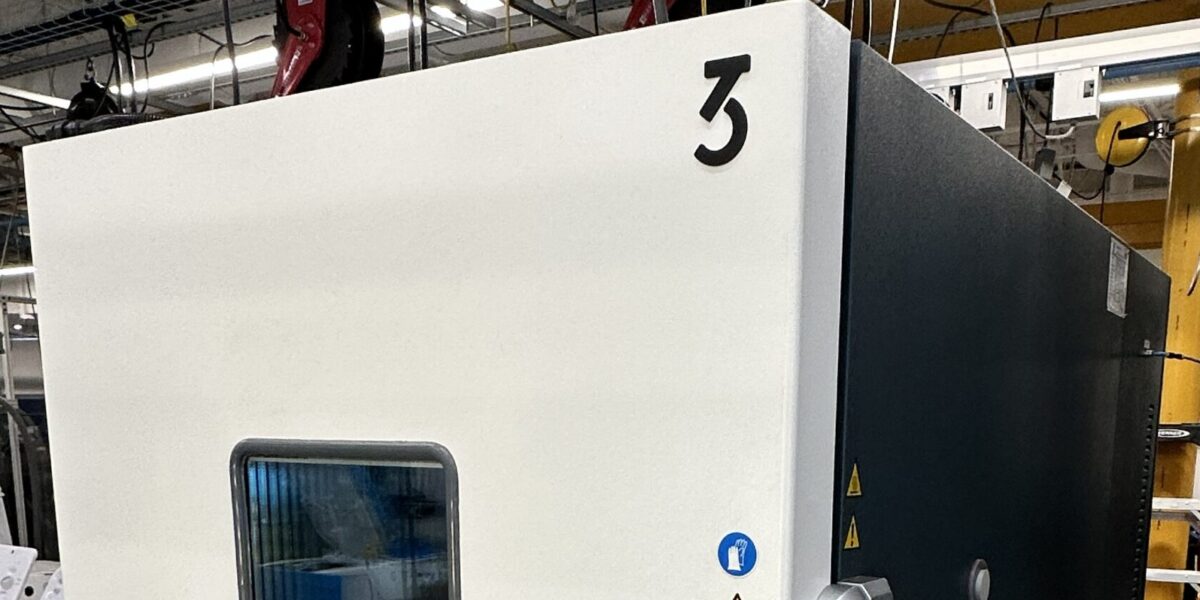
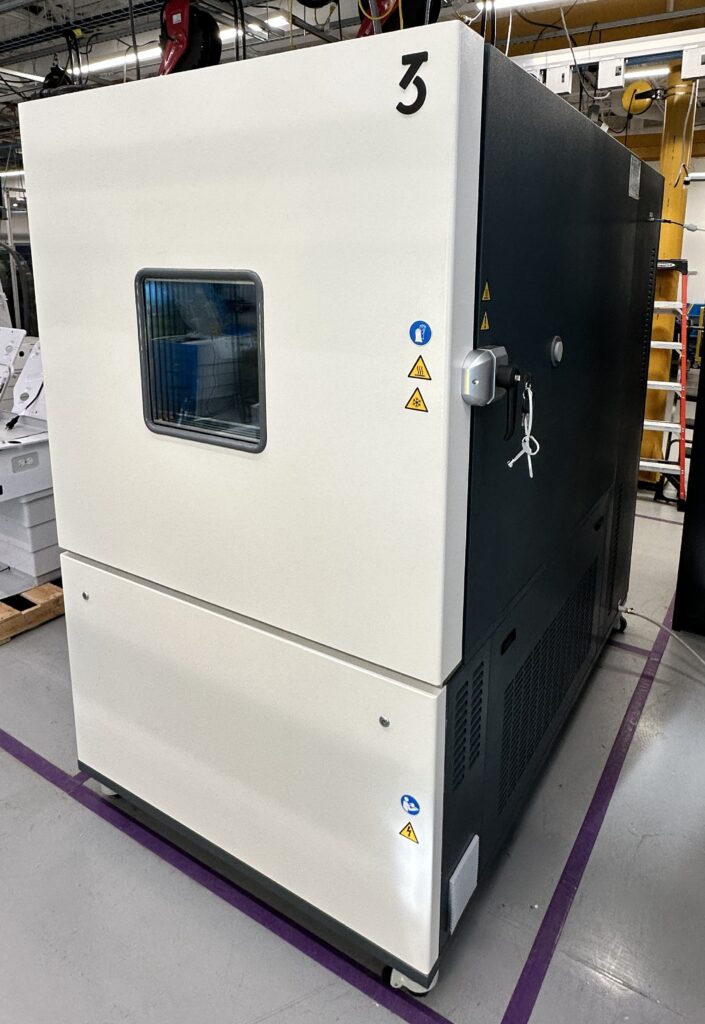
T3 designed and manufactured a custom 35 cubic foot environmental test chamber for one of North America's largest healthcare equipment manufacturers. The chamber operates from -40°C to +180°C with programmable 10% to 98% RH humidity control, supporting thermal cycling, accelerated life testing, ESS and qualification of medical devices and their materials.
Key facts
- The custom chamber has a 35 cubic foot workspace built for medical device qualification programs.
- Operating range is -40°C (-40°F) to +180°C (356°F).
- The chamber provides 0.1°C sensor accuracy and plus or minus 1°C stability during steady-state operation.
- Programmable thermal ramp rates reach up to 5.5°C per minute under IEC conditions.
- Humidity is programmable from 10% to 98% relative humidity.
Medical devices continue to become more intelligent, connected, and electronically complex. As a result, manufacturers face greater pressure to validate every product before it reaches the market. Every component must perform reliably after years of exposure to temperature extremes, humidity, transportation, and continuous operation. Consequently, environmental qualification has become one of the most important stages of product development for today’s healthcare industry.
To support these demanding requirements, one of North America’s largest healthcare equipment manufacturers selected Temperature Testing Technologies (T3) to design and manufacture a custom 35 cubic foot environmental test chamber. The project marks another milestone in T3’s continued growth within the medical device testing market. It also demonstrates the company’s ability to engineer application-specific environmental simulation systems for some of the world’s most demanding manufacturers.
Environmental Testing Has Become Essential
Healthcare manufacturers no longer rely solely on theoretical design calculations. Instead, they validate products through extensive environmental testing before commercial release. Engineers simulate years of field exposure inside controlled laboratory environments. They evaluate how products respond to thermal cycling, elevated humidity, storage conditions, transportation, and accelerated aging.
Furthermore, regulatory expectations continue to increase. Product complexity also continues to grow. Therefore, manufacturers need environmental chambers that deliver repeatable and highly controlled test conditions. Accurate environmental simulation helps improve product quality, reduce development risk, and shorten validation programs. Most importantly, it helps ensure long-term product reliability.
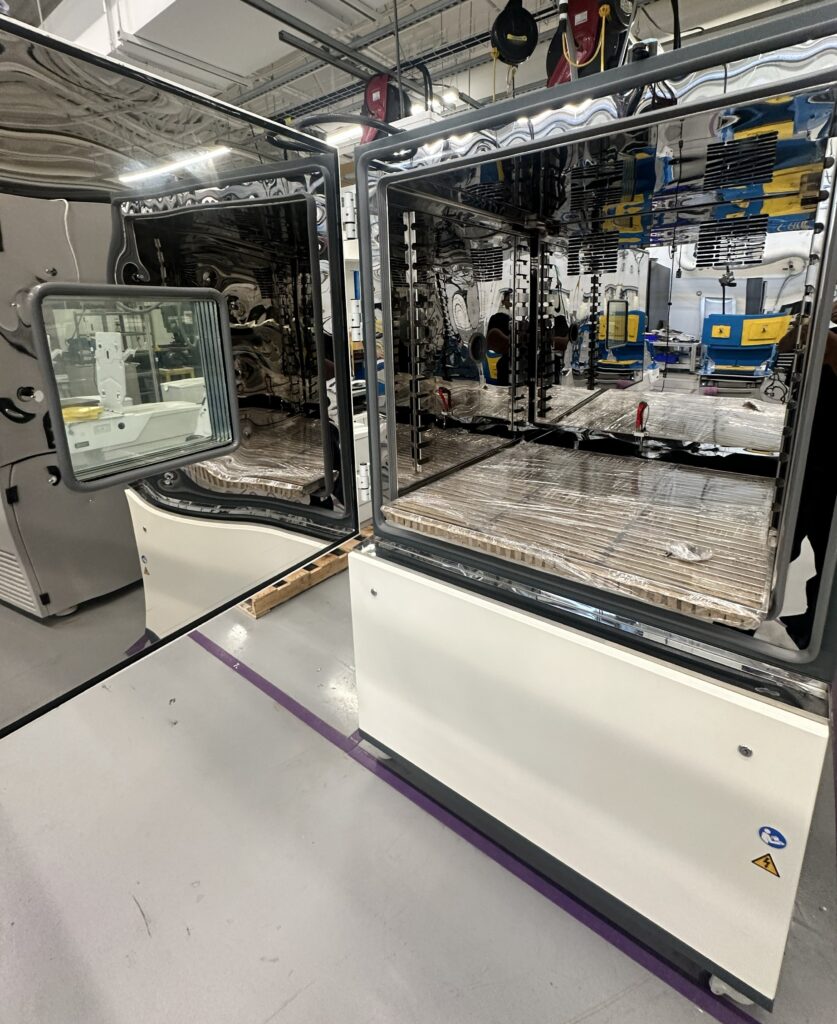
Engineered for Precision and Repeatability
T3 designed the chamber specifically for demanding qualification programs. The system operates from -40°C (-40°F) to +180°C (356°F). In addition, it provides 0.1°C temperature sensor accuracy and maintains ±1°C temperature stability during steady-state operation. The chamber also supports programmable thermal ramp rates of up to 5.5°C per minute under IEC conditions. These capabilities allow engineers to perform repeatable thermal cycling while maintaining precise environmental control.
Equally important, the chamber incorporates programmable humidity control from 10% to 98% relative humidity. This allows engineers to evaluate moisture-sensitive electronics, plastics, coatings, seals, adhesives, and finished assemblies under tightly controlled conditions. As a result, a single system supports accelerated life testing, environmental stress screening (ESS), reliability testing, material evaluation, and product qualification.
Rather than supplying a standard production model, T3 engineered the chamber around the customer’s specific testing objectives. That approach ensures consistent environmental performance throughout every qualification cycle. It also provides the flexibility needed for future testing requirements.
Strengthening T3’s Position in the Market
This project reflects a larger trend across advanced manufacturing. Companies continue to invest in sophisticated environmental simulation systems as reliability requirements become more demanding. At the same time, development schedules continue to shrink. Consequently, manufacturers need environmental chambers that deliver repeatable performance without compromising efficiency.
For T3, this project represents more than another successful installation. Instead, it highlights the company’s continued expansion into highly engineered environmental testing solutions. Today, T3 supplies custom environmental chambers to organizations across the medical device, aerospace, defense, battery, electronics, energy storage, and industrial manufacturing sectors.
As demand for custom environmental chambers, temperature and humidity chambers, thermal cycling chambers, and environmental simulation systems continues to grow, T3 remains focused on delivering engineered solutions that help manufacturers validate product performance with confidence.
Frequently asked questions
What environmental tests do medical devices need before release?
Medical devices are typically validated through thermal cycling, elevated humidity, storage condition, transportation and accelerated aging tests that simulate years of field exposure in a controlled lab. These tests help confirm long-term reliability, reduce development risk and support increasing regulatory expectations for electronically complex healthcare products.
What specifications does T3's custom medical device chamber offer?
The custom chamber has a 35 cubic foot workspace and operates from -40°C to +180°C. It provides 0.1°C sensor accuracy, plus or minus 1°C steady-state stability, programmable ramp rates up to 5.5°C per minute under IEC conditions, and humidity control from 10% to 98% relative humidity.
Why choose a custom environmental chamber over a standard model?
A custom chamber is engineered around the customer's specific testing objectives rather than a standard production model. That approach delivers consistent environmental performance across every qualification cycle and leaves flexibility for future testing requirements, which matters when one system must support life testing, ESS, material evaluation and product qualification.