Quick answer
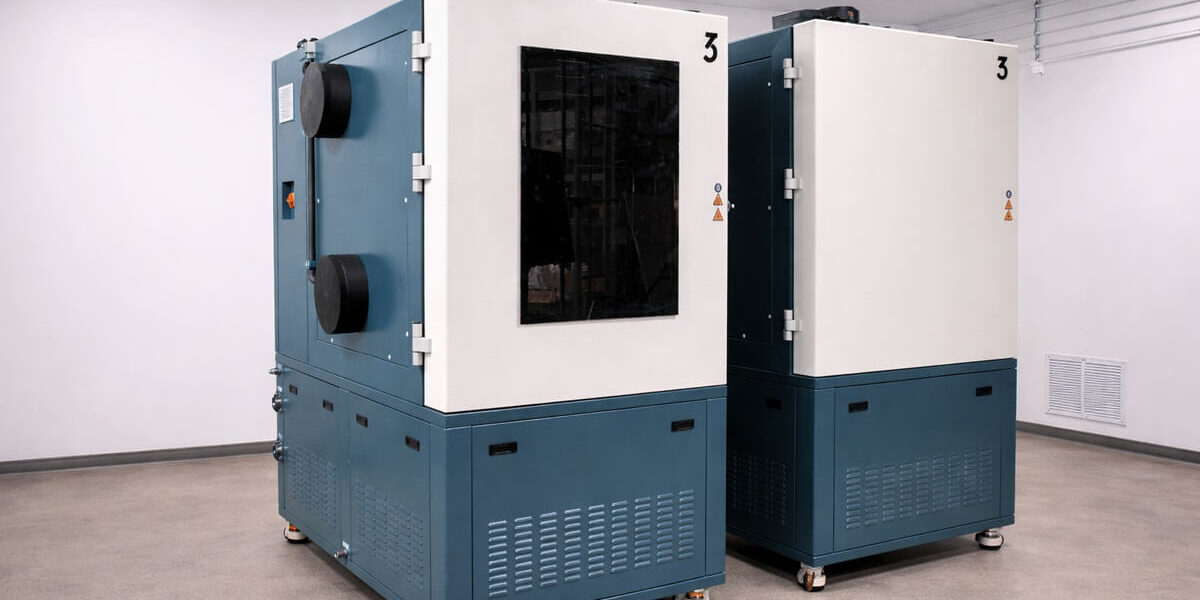
Environmental test chambers are specialized enclosures that simulate real-world environmental conditions in a controlled laboratory so manufacturers can assess how materials, products and components respond to temperature, humidity, altitude and mechanical stress. Common types include temperature and humidity, thermal shock, vibration and shock, altitude and battery test chambers, used across automotive, aerospace, electronics and energy industries.
Key facts
- Core environmental chamber functions are temperature, humidity, vibration and shock, thermal shock and altitude testing.
- Altitude chambers simulate high-altitude, low-pressure conditions for aviation, defense and space applications.
- Chamber size options include benchtop, reach-in and walk-in, chosen by test sample size.
- Recommended practice is to calibrate the chamber before each use and position samples for even exposure.
Introduction
In today’s fast-paced world of product development, ensuring that materials and components can withstand extreme environmental conditions is crucial. Whether it’s the scorching heat of the desert, freezing Arctic temperatures, high humidity, or intense vibrations, environmental test chambers play a vital role in verifying product durability and performance.
This comprehensive guide explores everything you need to know about environmental test chambers—what they are, how they work, their applications, and how to choose the right one for your needs.
What Are Environmental Test Chambers?
Environmental test chambers are specialized enclosures designed to simulate real-world environmental conditions in a controlled laboratory setting. These chambers allow manufacturers to assess how materials, products, and components respond to varying temperatures, humidity levels, altitude, and mechanical stress.
Key Functions of Environmental Test Chambers:
- Temperature Testing: Simulating extreme hot and cold environments.
- Humidity Testing: Controlling moisture levels to study material degradation.
- Vibration & Shock Testing: Measuring structural integrity under stress.
- Thermal Shock Testing: Rapidly shifting between extreme temperatures.
- Altitude Testing: Simulating high-altitude, low-pressure conditions.
Why Are Environmental Test Chambers Important?
Companies across industries use environmental test chambers to enhance product reliability, meet compliance standards, and reduce failure risks.
- Prevent Costly Failures: Identifying weaknesses before production prevents recalls and warranty claims.
- Meet Regulatory Standards: Compliance with MIL-STD, ASTM, ISO, IEC ensures global market acceptance.
- Improve Product Longevity: Testing under extreme conditions extends product lifespan and performance.
- Enhance Customer Satisfaction: Reliable products lead to better brand reputation and trust.
Types of Environmental Test Chambers
Choosing the right environmental test chamber depends on the type of testing required. Here are some of the most commonly used chambers:
Temperature & Humidity Chambers
- Simulate extreme heat, cold, and humidity variations.
- Used for electronics, pharmaceuticals, and materials testing.
Thermal Shock Chambers
- Quickly transition between hot and cold conditions.
- Ideal for automotive and aerospace components exposed to rapid temperature shifts.
Vibration & Shock Chambers
- Apply stress to test for structural durability.
- Used in automotive, aerospace, and industrial machinery testing.
Altitude Chambers
- Simulate high-altitude conditions with low pressure.
- Essential for aviation, defense, and space exploration industries.
Battery Test Chambers
- Ensure safety and performance of lithium-ion batteries.
- Prevents risks of overheating and explosions.
Industries That Rely on Environmental Test Chambers
Environmental testing is a crucial step in the quality assurance process for various industries.
- Automotive: Testing vehicle parts for extreme climate conditions.
- Aerospace & Defense: Simulating high-altitude pressure changes and thermal stress.
- Battery & Energy Storage: Evaluating lithium-ion battery efficiency and safety.
- Electronics & Semiconductors: Preventing overheating and failure in circuit boards.
- Manufacturing & Industrial Equipment: Ensuring long-term durability of machinery components.
How to Choose the Right Environmental Test Chamber
When selecting an environmental test chamber, consider the following factors:
- Size & Capacity: Choose between benchtop, reach-in, or walk-in chambers depending on your test sample size.
- Temperature & Humidity Range: Match the specifications to the environmental conditions you need to replicate.
- Testing Standards Compliance: Ensure the chamber meets regulatory requirements for your industry.
- Customization Options: Some chambers allow modifications for specialized applications.
- Energy Efficiency & Safety Features: Opt for a chamber that minimizes power consumption and includes fail-safe mechanisms.
Best Practices for Using Environmental Test Chambers
- Pre-Test Calibration: Always calibrate the chamber before use to ensure accuracy.
- Proper Sample Placement: Position test items correctly to ensure even exposure to environmental conditions.
- Regular Maintenance: Clean chamber interiors, check sensors, and perform routine diagnostics.
- Monitor Data in Real Time: Use software integrations to track test results efficiently.
- Follow Safety Protocols: Adhere to industry regulations when handling hazardous materials.
Conclusion
Environmental test chambers are essential tools for ensuring the durability, reliability, and compliance of products across multiple industries. Whether you need to simulate extreme temperatures, vibration, or humidity, selecting the right chamber can make a significant difference in product quality and performance.
Looking for high-quality environmental test chambers? T3 provides customized, precision-engineered testing solutions to meet all your industry needs. Contact us today to explore our range of chambers and find the perfect solution for your testing requirements.
Related: Explore T3 solar simulation chambers for accelerated weathering and PV module testing.
Related: See the full T3 environmental test chamber range and find the right system for your test program.
Related: For sunlight and UV exposure specifically, see our guide to solar climatic testing and solar simulation chambers.
Related: Explore T3’s full range of environmental test chambers — temperature, humidity, altitude, thermal shock and more.
Frequently asked questions
How does a thermal shock chamber differ from a temperature and humidity chamber?
A thermal shock chamber quickly transitions products between hot and cold conditions and suits automotive and aerospace parts exposed to rapid temperature shifts. A temperature and humidity chamber simulates extreme heat, cold and humidity variations and is commonly used for electronics, pharmaceuticals and materials testing.
What factors matter when choosing an environmental test chamber?
Key factors are size and capacity, from benchtop to reach-in to walk-in, the temperature and humidity range needed, compliance with your industry's testing standards, customization options for specialized applications, and energy efficiency and safety features such as fail-safe mechanisms that protect samples and operators.
What are best practices for using an environmental test chamber?
Calibrate the chamber before testing, place samples so they receive even exposure, and keep up regular maintenance by cleaning interiors, checking sensors and running diagnostics. Monitor data in real time through software integrations and follow industry safety protocols when handling hazardous materials.