Quick answer
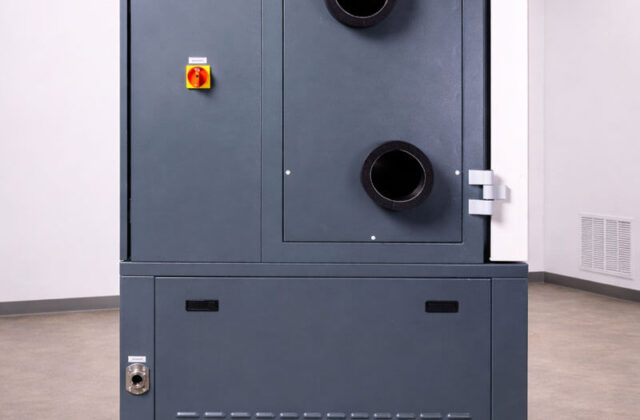
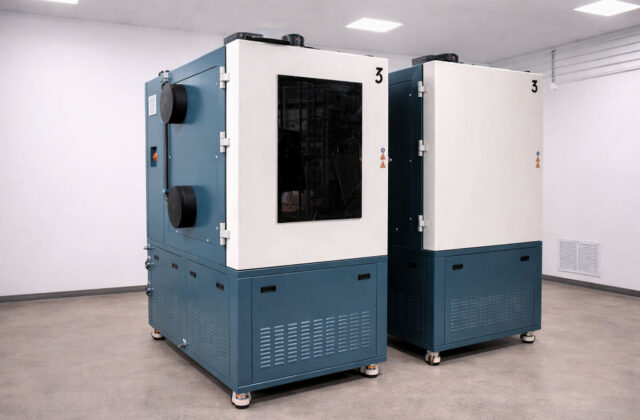
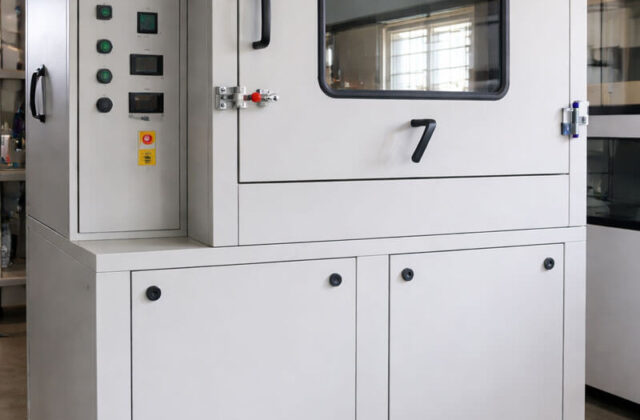
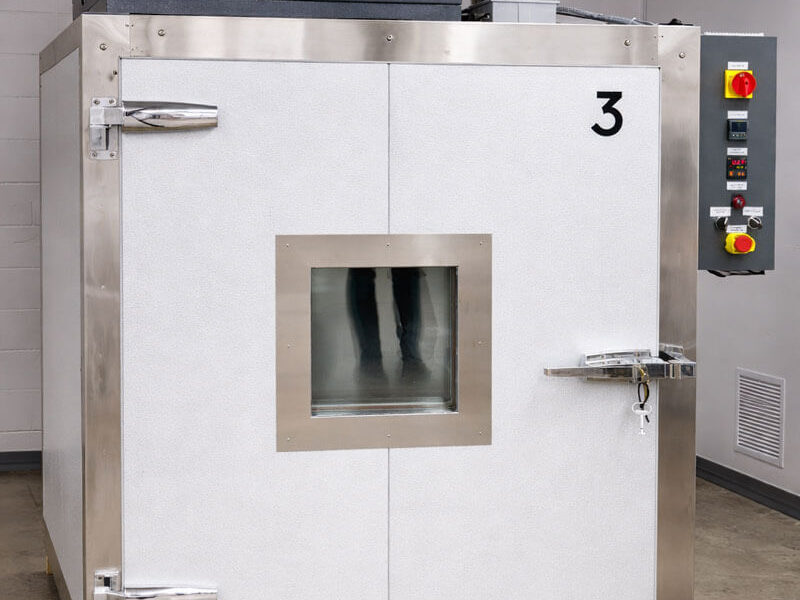
A thermal cyclic chamber ramps a specimen repeatedly between high and low temperatures at a controlled rate, dwelling at each extreme, to fatigue solder joints, bonds, and material interfaces. Thermal cycling uses gradual transitions over many cycles, while thermal shock applies a near-instant change in a two-zone chamber. T3 offers thermal cycling and ESS chambers.
Key facts
- Thermal cycling uses gradual, controlled ramps; thermal shock uses near-instant transitions of under 10 seconds.
- Thermal cycling runs in a single-zone cyclic or ESS chamber, while thermal shock uses a two-zone shock chamber.
- Repeated expansion and contraction fatigues solder joints, wire bonds, adhesives, and dissimilar-material interfaces.
- Environmental stress screening (ESS) uses thermal cycling, often with vibration, to precipitate manufacturing defects before products ship.
- Thermal cycling references include IEC 60068-2-14, JEDEC JESD22-A104, and MIL-STD-810.
“Thermal cycling” and “thermal shock” sound alike but stress a product in very different ways — and a thermal cyclic chamber is the tool for the first. Here’s what thermal cycling is, how it differs from thermal shock, and where it fits in reliability testing.
A thermal cyclic chamber ramps a specimen repeatedly between hot and cold at a controlled rate to fatigue materials and joints the way years of service would. T3 runs thermal cycling in its thermal cycling & ESS chambers for reliability testing and stress screening.
What is thermal cycling?
Thermal cycling exposes a product to repeated, gradual transitions between a high and a low temperature, dwelling at each extreme. The expansion and contraction at every cycle fatigues solder joints, wire bonds, adhesives, and dissimilar-material interfaces — precipitating the latent defects that cause field failures. It is a cornerstone of reliability testing and environmental stress screening (ESS).
Thermal cycling vs thermal shock
| Aspect | Thermal cycling | Thermal shock |
|---|---|---|
| Transition | Gradual, controlled ramp | Near-instant (sub-10s) |
| Stress | Fatigue over many cycles | Extreme thermal gradient |
| Chamber | Single-zone cyclic / ESS chamber | Two-zone shock chamber |
Both fatigue a product through temperature change; thermal cycling reproduces realistic day/night and power on/off swings over many cycles, while thermal shock applies a severe, near-instant gradient to find the breaking point.
Thermal cycling & ESS
Environmental stress screening uses thermal cycling (often with vibration) to precipitate manufacturing defects before products ship — turning would-be field failures into caught-in-the-lab failures. Standards and references include IEC 60068-2-14 (change of temperature), JEDEC JESD22-A104, and MIL-STD-810.
How T3 handles thermal cycling. T3’s thermal cycling and ESS chambers deliver controlled ramp rates and cycling profiles for reliability screening, part of the full range of environmental test chambers, US-built with lifetime engineering support.
Frequently Asked Questions
What is a thermal cyclic chamber?
A chamber that ramps a specimen repeatedly between high and low temperatures at a controlled rate to fatigue materials and joints, used for reliability testing and ESS.
What is the difference between thermal cycling and thermal shock?
Thermal cycling uses gradual, controlled transitions to fatigue a product over many cycles; thermal shock applies a near-instant temperature change to impose an extreme gradient. They use different chamber designs.
What standards cover thermal cycling?
IEC 60068-2-14, JEDEC JESD22-A104, and MIL-STD-810 are commonly referenced.
How does thermal cycling relate to ESS?
ESS (environmental stress screening) uses thermal cycling — often with vibration — to precipitate latent defects before shipment, improving field reliability.
Need a thermal cycling or ESS chamber? Request a quote and a T3 engineer will configure one for your cycles and standards.
Standards referenced