Quick answer
An AGREE chamber is a vibration test chamber that combines temperature and humidity control with an electrodynamic or hydraulic shaker, so a specimen experiences environmental and mechanical stress at the same time. Combined stress reveals latent defects that single-stress tests miss. T3 builds AGREE chambers to MIL-HDBK-781 for reliability testing and stress screening programs.
Key facts
- In an AGREE chamber the vibration table passes through a sealed opening in the chamber floor, so the specimen sees temperature, humidity, and vibration simultaneously.
- The AGREE name comes from the reliability-testing methodology that pioneered combined environmental-plus-vibration screening.
- MIL-HDBK-781 covers reliability testing methodology for combined environmental and vibration screening.
- MIL-STD-810 Method 514 covers vibration testing.
- Combined-stress testing is central to reliability growth, environmental stress screening (ESS), and HALT/HASS methods.
In the field, products face heat, cold, humidity and vibration at the same time — so testing them one at a time can miss the failures that only appear in combination. That’s what a vibration test chamber does: environment plus shaking, together.
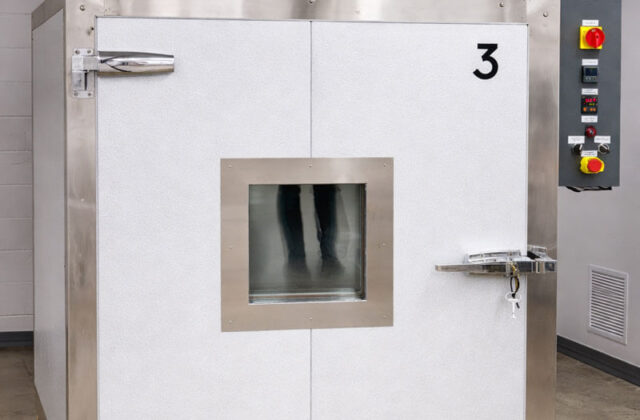
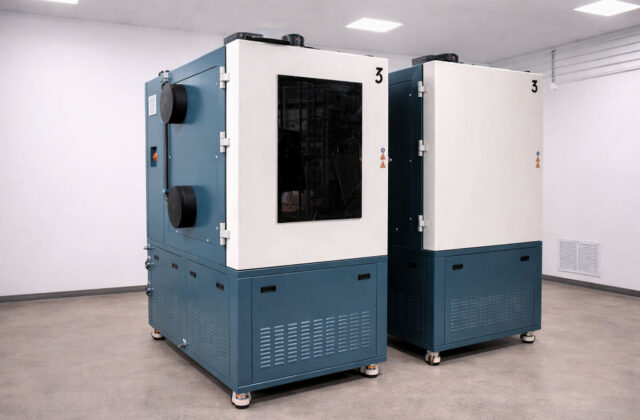
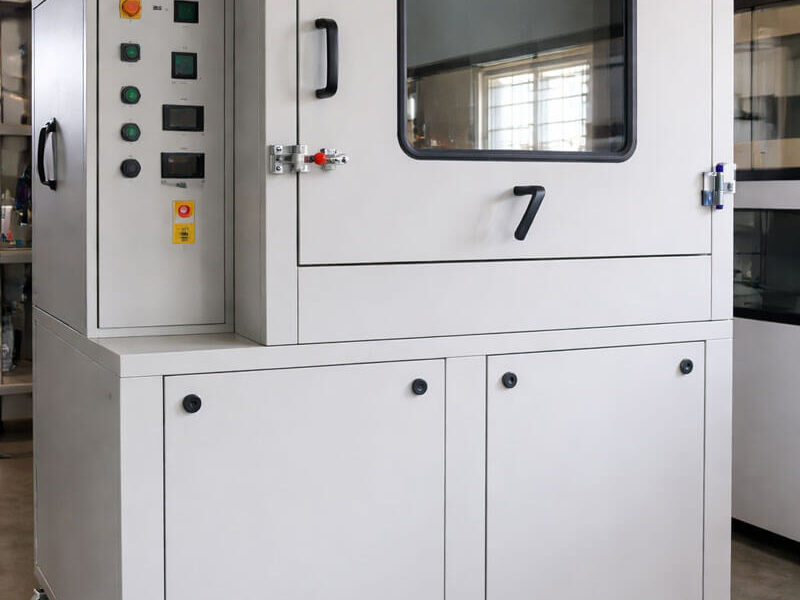
A vibration test chamber — often called an AGREE chamber — combines a temperature/humidity chamber with a vibration system so a specimen is stressed environmentally and mechanically at once. T3 builds combined vibration test chambers to MIL-HDBK-781 for reliability and screening programs.
What is a vibration test chamber (AGREE chamber)?
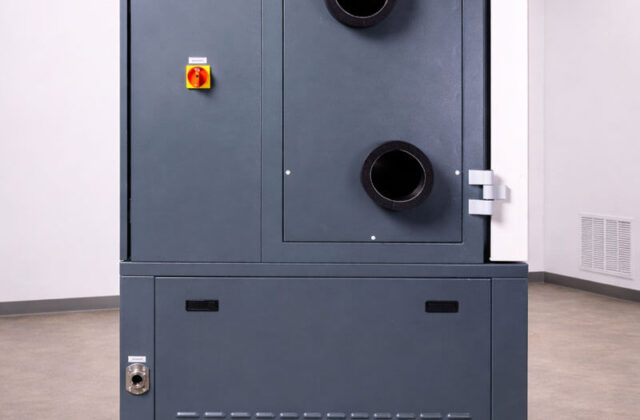
A vibration test chamber integrates an environmental chamber with an electrodynamic or hydraulic shaker. The specimen sits inside the chamber on a vibration table that passes through a sealed opening in the floor, so it experiences temperature, humidity, and vibration simultaneously. The name “AGREE” comes from the reliability-testing methodology that pioneered combined environmental-plus-vibration screening.
Why combine environment and vibration
Combined stress precipitates latent defects that single-stress tests miss — a solder joint that only cracks when hot and vibrating, a connector that backs out under thermal cycling plus shake. Combined testing is central to reliability growth, ESS (environmental stress screening), and HALT/HASS methods.
What it tests & the standards
- MIL-HDBK-781 — reliability testing methodology for combined environmental/vibration screening.
- MIL-STD-810 — vibration (Method 514) and combined-environment methods.
- Applications — avionics, defense electronics, automotive modules, and any product qualified for a vibrating, temperature-varying service life.
How T3 handles combined vibration testing. T3 designs vibration (AGREE) test chambers that integrate temperature and humidity control with a customer’s shaker system, built to MIL-HDBK-781. Part of the full range of environmental test chambers, US-built with lifetime engineering support.
Frequently Asked Questions
What is a vibration test chamber?
A chamber that combines temperature and humidity control with a vibration system, so a specimen is tested under environmental and mechanical stress at the same time. Also called an AGREE chamber.
What is an AGREE chamber?
An AGREE chamber is a combined environmental-and-vibration test chamber, named for the reliability methodology that established combined-stress screening.
Why test environment and vibration together?
Combined stress reveals failures that appear only under simultaneous temperature and vibration — the basis of reliability growth, ESS, and HALT/HASS.
What standards apply?
MIL-HDBK-781 for combined reliability screening and MIL-STD-810 (including Method 514 vibration) are the common references.
Need combined environmental + vibration testing? Request a quote and a T3 engineer will configure a vibration test chamber for your shaker and standards.
Standards referenced